
About SFS
Strengthening land rights, agroforestry knowledge, and leadership capacity
Our Story
Nature-Based Solutions, Powered by Communities
Sustainable Farming Solutions helps smallholder farmers in Malawi, especially women, restore degraded
land in ways that improve income, food security, and resilience. We exist because when land breaks down,
livelihoods break down with it, and when restoration pays, it lasts.
The Challenge
Millions of smallholder farmers work degraded land but are excluded from restoration finance.
The Barriers
Weak land tenure. Fragmented monitoring. Lack of trusted intermediaries.
The Opportunity
Verified ecological outcomes like tree cover and soil health can generate climate finance and create new income for rural farmers.
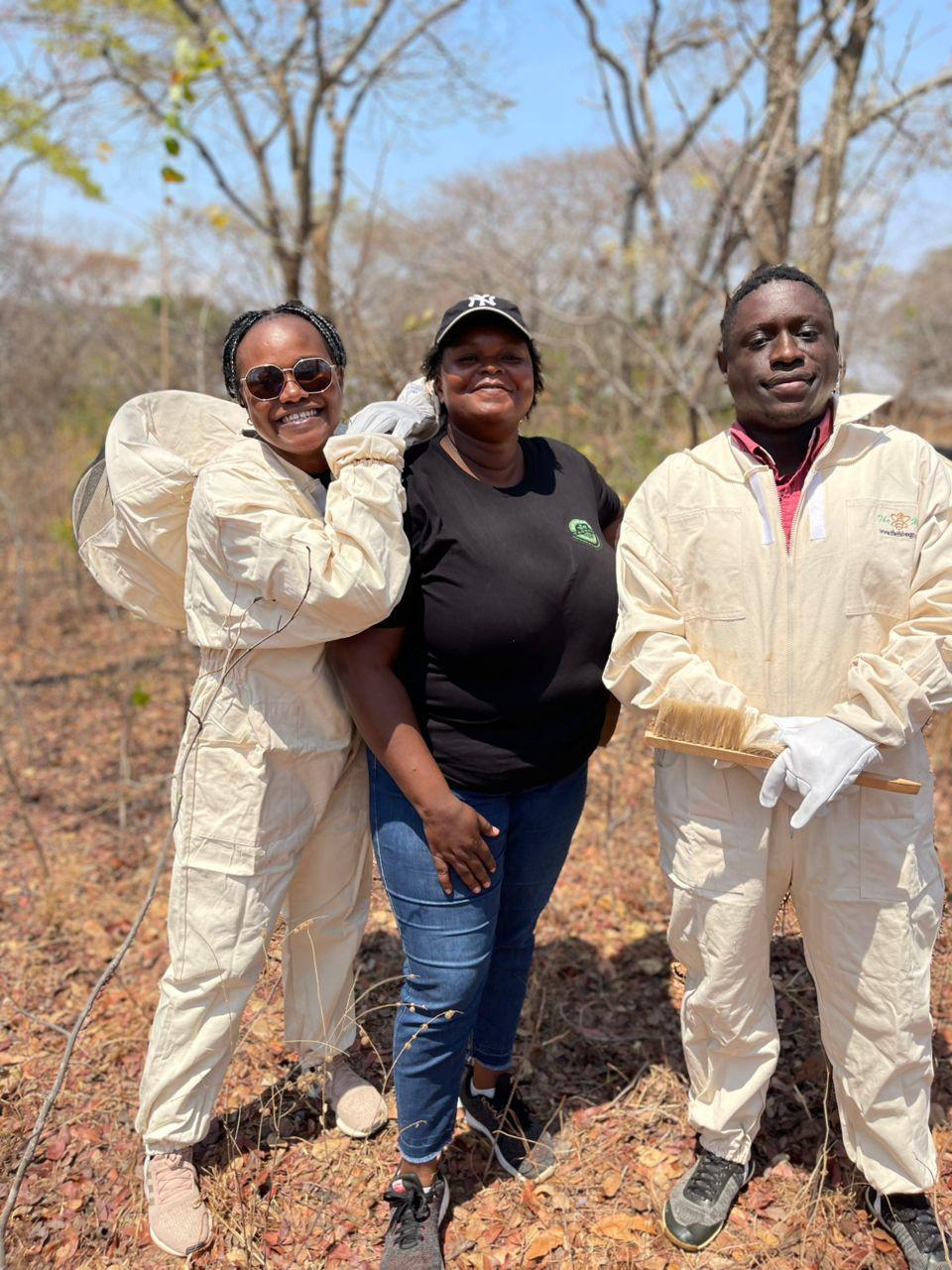
The logic behind SFS
In Malawi, land degradation is not just an environmental problem. It is a livelihoods crisis. When soils are exhausted and trees disappear, smallholder families lose more than tree cover. They lose food, fuel, income, and resilience. Women often carry the heaviest burden, farming tired land, finding firewood, feeding households, and absorbing the daily shocks when the land no longer provides.
We work with smallholder farmers, especially women, to restore degraded land in ways that improve livelihoods. Our model helps farmers put the right trees in the right way onto their farms so they can rebuild soil fertility, diversify incomes, strengthen food security, and make their land more resilient over time. We believe restoration only lasts when it works for the people living on the land. If farmers are expected to protect trees without seeing value, restoration remains fragile. But when trees improve everyday life, through food, income, fuel, shade, soil health, and future earning potential, restoration becomes something families choose to sustain.
Too many restoration efforts measure success by trees planted rather than trees surviving. Many projects focus on hectares and carbon while overlooking what matters most to farmers the real, lasting value in their daily lives and livelihoods. Without this, even well-intentioned interventions struggle to take root and endure over time.
Our approach recognises that farmers cannot choose restoration over survival. We design systems where restoration becomes part of survival first, and then part of prosperity integrating trees into everyday farming in ways that are practical, affordable, and beneficial. By focusing on what farmers can sustain, we create solutions that are not only effective, but lasting.
We want to prove that farmer-led restoration can become a serious rural economic model in Malawi and
beyond. Our long-term goal is to help restore 200,000 hectares of land in Malawi by 2035, while ensuring
that the people restoring that land, especially women and smallholder farmers, are not just participants,
but beneficiaries. We are building for a future where restoration is not dependent on short-term
campaigns or one-off grants, but is rooted in systems that farmers trust, communities support, and long-
term payers can back. Because when land recovers, livelihoods can recover too.
Meet Our Team
SFS is led by a Malawian team with deep roots in forestry, agroforestry, rural livelihoods, community
engagement, and restoration delivery. We combine technical expertise with practical field experience
because restoring land in Malawi requires more than good ideas. It requires trust, local knowledge,
disciplined execution, and a clear understanding of how farmers actually make decisions.
Our team works across field operations, nursery systems, farmer training, monitoring, partnerships, and
organisational leadership. We are united by a simple belief: restoration should improve life for the people
living closest to the problem.
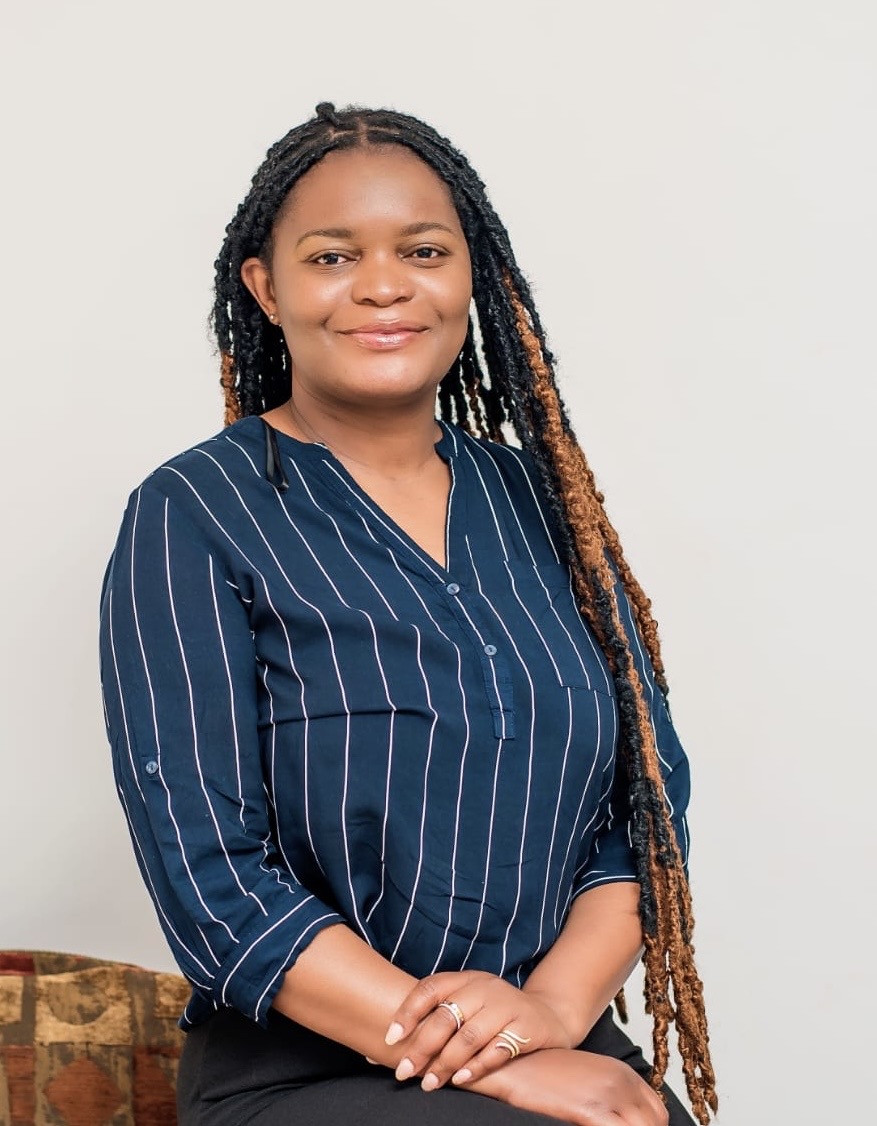
Tonthoza Uganja
Founder & CEO
founded SFS to address climate and livelihood challenges facing smallholder farmers in Malawi. A forest scientist and entrepreneur, she brings together restoration, rural livelihoods, and practical systems to help farmers restore land in ways that deliver real value.

Vanessa Simwela
Director, Agroforestry & Food Security
Specialist in irrigated farming with BSc in Forestry and MSc in Agroforestry & Food Security.


Keith Chirambo
Financial Director
Finance and strategy expert, responsible for budgeting, auditing, and planning.
Thembi Uganja
Livelihoods and Sustainability Lead
Founder’s Associate at SFS, supporting environmental sustainability and forestry-focused initiatives.
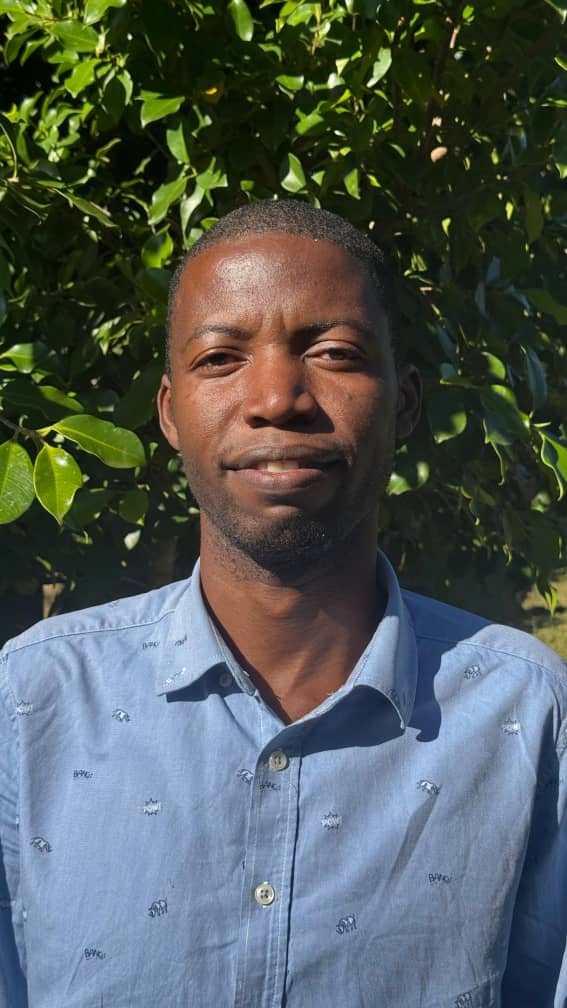
Chrispine Chinangwa
Monitoring & Mapping Coordinator
MRV Coordinator at SFS, specializing in forestry, climate mitigation, and GIS-based restoration.

Blandina Nankondwa
Founders Associate
Founder’s Associate at SFS, supporting strategy and advocacy in climate governance.

Tumpale Mwakasungula
Founders Associate
Founder’s Associate at SFS, supporting environmental sustainability and forestry management.

Rowena Soko
Finance & Admin Officer
Accounting Officer at SFS, ensuring financial transparency and smooth operations.
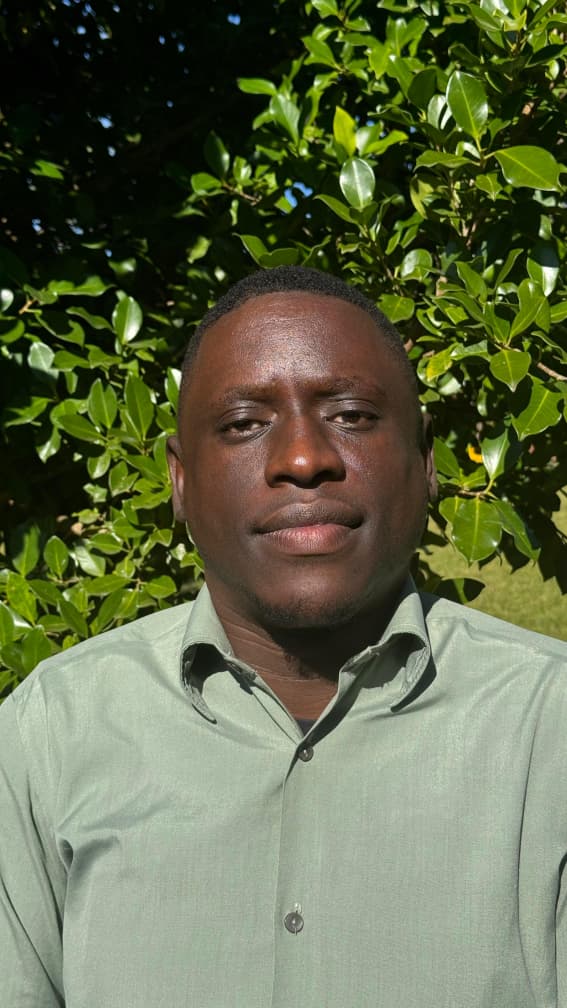
John Chavula
Water Resources Management Coordinator
Water Resources Coordinator at SFS, promoting efficient water use and climate-smart farming.
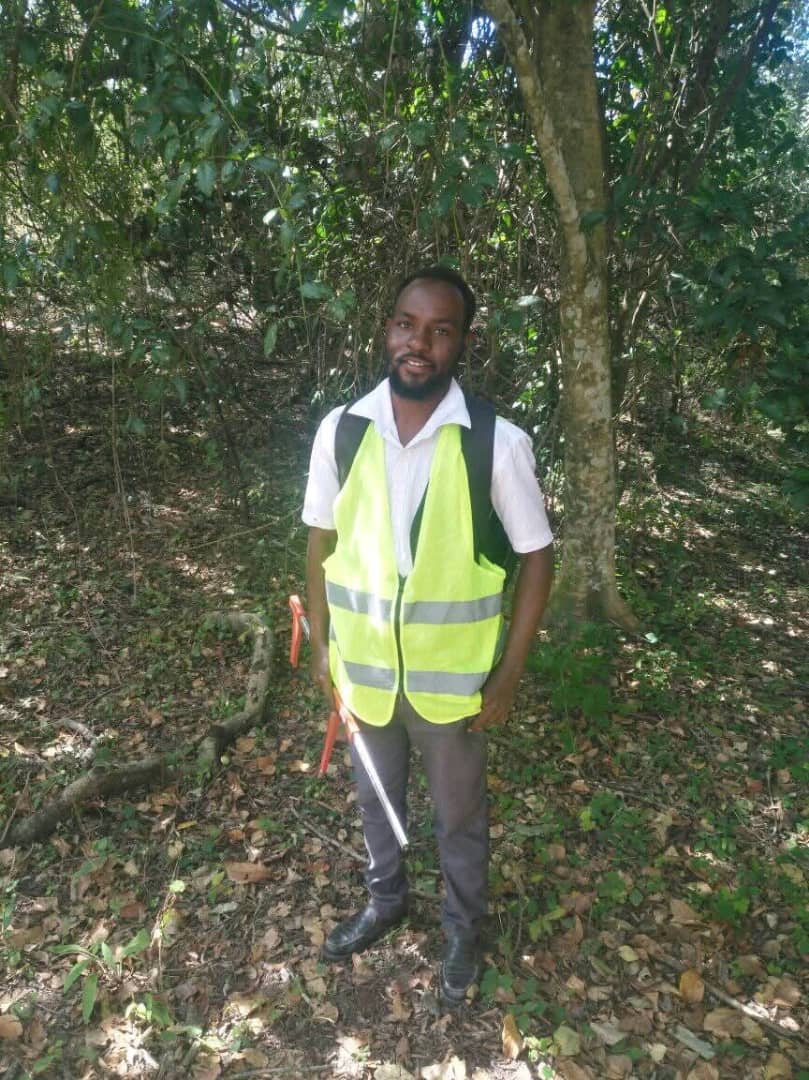
Jackson Kamwambi
Field Officer
Field Officer at SFS, training farmers in sustainable and climate-smart agriculture.

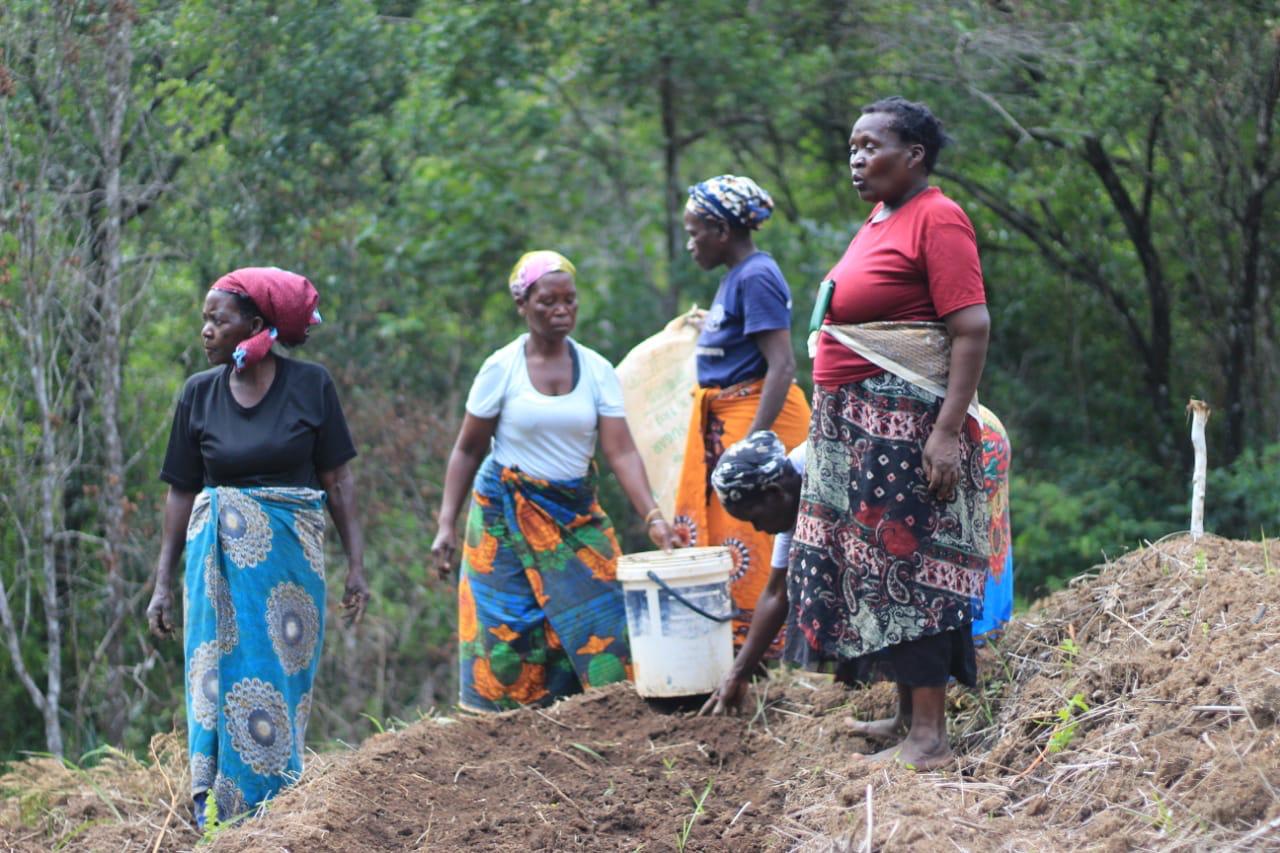
Giving Back
Community Involvement
We support local farmers especially women in restoring their farms and leading community restoration projects. By giving back, we strengthen livelihoods, restore ecosystems, and create lasting impacts for entire communities
What works for farmers and the land?
SFS is building a model where restoration improves livelihoods, strengthens resilience, and becomes worth sustaining. We work with farmers, communities, funders, and partners who want to make restoration practical, trusted, and scalable.